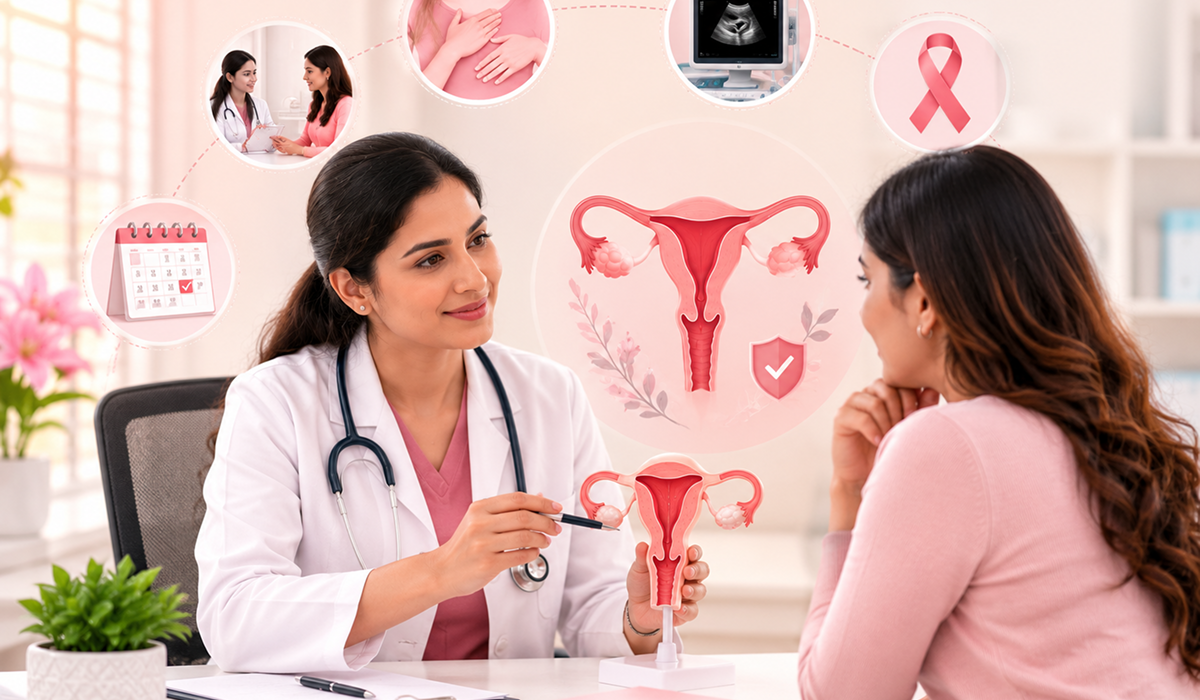
Why Regular Gynecological Check-Ups Are Essential for Every Woman
For a lot of women, a gynaecological check-up is the appointment that keeps getting pushed to “next month.” Years pass between visits. But regular gynaecological check-ups are one of the simplest, most effective things you can do for your long-term health. Most conditions affecting the reproductive system are far easier to treat, and sometimes fully reversible, when caught early.
At Remedy Gynae & Health Clinic, Dr. Harpreet Kaur sees this often. She’s a gynaecologist in Mohali with over 15 years of experience. Women come in only after a problem becomes painful or disruptive. A routine check-up months or years earlier could have flagged it sooner. A typical visit isn’t just a Pap smear. It usually includes a pelvic exam, a breast exam, and a review of your cycle and symptoms. Blood pressure and weight are checked too, with an ultrasound if needed.
What to Expect During Your First Visit
- A private conversation first. Before any physical exam, your gynaecologist will ask about your menstrual history, sexual health, family history, and any symptoms. This is the time to mention anything that’s been bothering you, however small.
- A general physical check. Blood pressure, weight and a general health review, since reproductive health is closely tied to overall health.
- A pelvic examination. A routine, brief exam to check for anything unusual — most patients find it far less uncomfortable than they expected.
- Screening tests as needed. A Pap smear, HPV test or ultrasound may be recommended depending on your age and history.
- A clear follow-up plan. You’ll leave knowing exactly what was found, what (if anything) needs attention, and when to come back.
Regular check-ups are the single best thing a woman can do for her long-term reproductive health. Most of the conditions we treat are far easier to manage, sometimes completely preventable, when caught early.
Dr. Harpreet Kaur, Gynaecologist, Remedy Gynae & Health Clinic
Who Should Get Regular Check-Ups, and How Often?
As a general guideline, a yearly gynaecological check-up is recommended for most women. This starts from the time they become sexually active, or reach their late teens, whichever comes first. That said, the right frequency depends on your stage of life. If you’re trying to conceive or are pregnant, more frequent visits help monitor both your health and your baby’s. Read more about our approach to pregnancy and maternity care on our services page. If you have a diagnosed condition like PCOD/PCOS or fibroids, check-ups every three to six months may be recommended. And if you’ve never had a reproductive health visit before, there’s no “right time” other than now. The earlier a baseline is established, the easier it is to spot changes later.
Signs You Shouldn’t Ignore Between Visits
- Periods that are unusually heavy, painful, or irregular
- Pelvic pain that doesn’t go away, or pain during intercourse
- Unusual vaginal discharge or bleeding between periods
- Noticeable changes after menopause, including any bleeding
- Difficulty conceiving after several months of trying
Any of these can have simple, treatable explanations. But they’re exactly the kind of symptoms a gynaecologist should evaluate, rather than something to self-diagnose or wait out.
Book Your Check-Up at Remedy Gynae & Health Clinic
Whether it’s your first visit or you’re overdue for a follow-up, our team makes the process straightforward and comfortable. We see patients across our two Mohali locations: Sector 110, TDI City and Sector 91. We offer a full range of women’s health services — from routine check-ups to specialised care for PCOD/PCOS and fertility. Book your appointment today or learn more about Dr. Harpreet Kaur’s background and approach to care.

About the Author
Dr. Harpreet Kaur, MBBS, DGO, DNB
Dr. Harpreet Kaur is a gynaecologist and obstetrician with over 15 years of experience treating women across Mohali and Chandigarh, specialising in pregnancy care, infertility treatment, PCOS management, and minimally invasive gynaecological surgery at Remedy Health Clinic. Read her full profile.