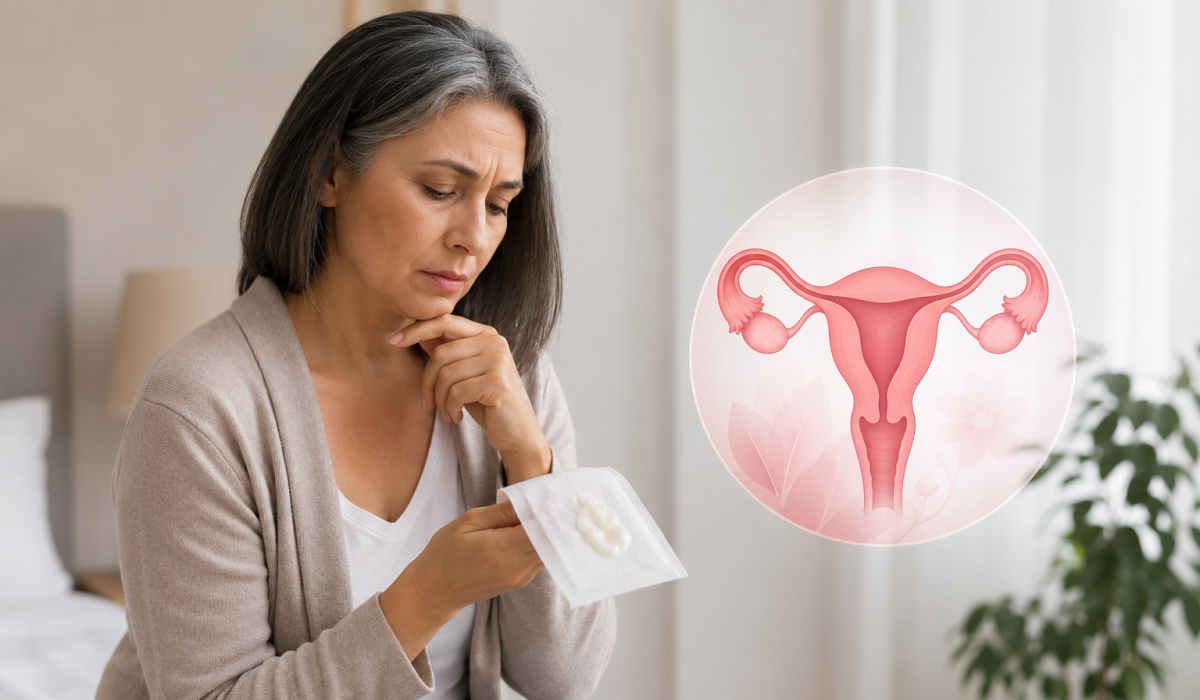
White Discharge During Menopause: Causes, Symptoms, and When to Worry
Menopause brings a wave of changes to a woman’s body, and vaginal discharge is one of the most common yet least talked about symptoms. If you’ve noticed white discharge during menopause and aren’t sure whether it’s normal or a sign of something more serious, you’re not alone. Many women going through this transition have similar questions.
As an experienced gynaecologist in Mohali, our team regularly helps women understand these changes and know exactly when it’s time to seek care. This guide covers everything you need to know about white discharge during menopause.
Is White Discharge During Menopause Normal?
Yes, in many cases, white discharge during menopause is completely normal. As estrogen levels decline during perimenopause and menopause, the vagina undergoes significant changes that affect the amount, texture, and consistency of discharge.
Healthy discharge is typically white or clear, thin, and largely odorless. Some women notice a decrease in overall vaginal discharge after menopause, while others may experience an increase due to irritation or vaginal dryness.
Understanding what’s normal versus what requires attention from a gynaecologist can help you feel more confident about your body during this transition.
What Causes White Discharge During Menopause?
Several factors contribute to white discharge during the menopausal transition, and identifying the underlying cause is key to proper management.
Declining Estrogen Levels
The primary driver of changes in vaginal discharge during menopause is the drop in estrogen production. Estrogen plays a crucial role in maintaining vaginal lubrication, tissue elasticity, and the balance of healthy bacteria. As estrogen levels fall, the vaginal environment changes significantly, which can alter the characteristics of your discharge.
Vaginal Atrophy (Genitourinary Syndrome of Menopause)
Also known as GSM, vaginal atrophy occurs when reduced estrogen causes the vaginal walls to become thinner, drier, and less elastic. This condition affects a large percentage of postmenopausal women and can lead to increased discharge, irritation, and discomfort. Unlike some menopausal symptoms that improve over time, GSM often worsens if left untreated, making it important to discuss this with your gynaecologist.
Changes in Vaginal pH
Estrogen helps maintain an acidic vaginal environment that keeps harmful bacteria in check. As hormone levels decline, vaginal pH rises, making the area more alkaline and less protected against bacterial overgrowth and infections. This shift increases susceptibility to conditions like bacterial vaginosis and yeast infections.
Yeast Infections
Hormonal fluctuations and vaginal dryness can disrupt the natural balance of bacteria and yeast in the vagina, making yeast infections more likely during menopause. This typically produces a thick, white, cottage cheese-like discharge, often accompanied by itching and irritation.
Bacterial Vaginosis
An imbalance in vaginal bacteria can result in bacterial vaginosis, which is more common after menopause due to the rising vaginal pH. While this condition is often associated with a grayish, fishy-smelling discharge, some women may notice a whitish tint as well.
Irritation from Sexual Activity
Local irritation, including friction during intercourse, can trigger discharge in some women, especially when combined with vaginal dryness common during menopause.
Many women also notice Heavy Periods and other Menstrual Disorders during the perimenopausal transition, before discharge patterns settle into the changes typically seen after menopause.
Recognizing Normal vs. Abnormal Discharge
Signs of Normal Discharge
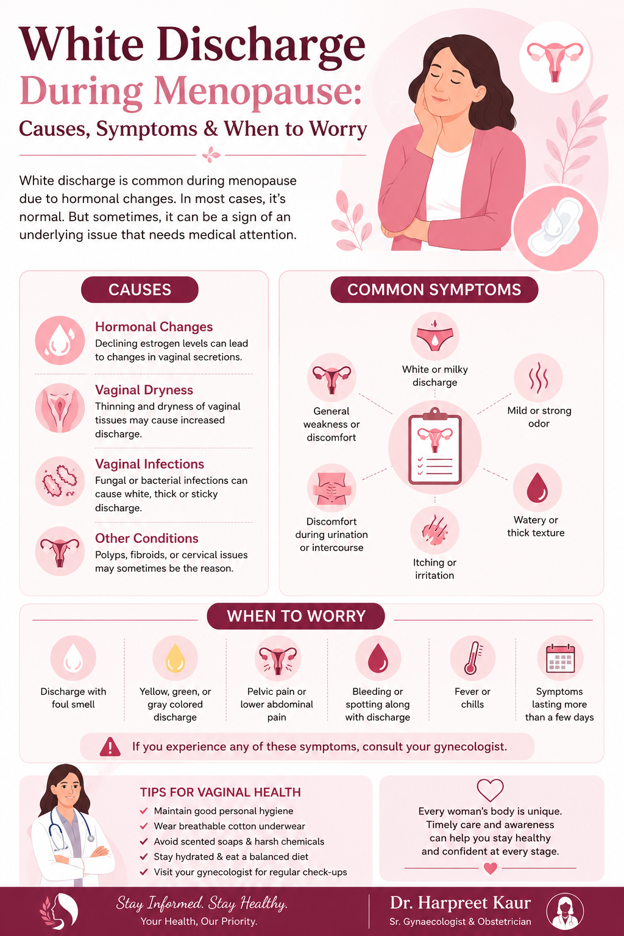
Normal white discharge during menopause is usually thin or slightly thick, white or clear in color, and doesn’t carry a strong odor. It shouldn’t cause itching, burning, or discomfort, and the amount is generally minimal.
Signs That Warrant Attention
Unusual Consistency:
Thick, frothy, lumpy, or cottage cheese-like discharge can indicate a yeast infection or other condition requiring treatment.
Color Changes:
Discharge that turns yellow, green, gray, pink, or brown may signal an infection or other gynecological issue that needs evaluation.
Strong Odor:
A foul or fishy smell often points to bacterial vaginosis or another infection.
Accompanying Symptoms:
Itching, burning, redness, swelling, or pain during urination or intercourse alongside discharge suggests an underlying issue.
Bleeding:
Any spotting or bleeding mixed with discharge after menopause should always be evaluated by a gynaecologist, as this can occasionally indicate more serious conditions.
Persistent or Excessive Discharge:
If discharge is heavy, doesn’t improve, or worsens over time, professional evaluation is necessary.
When Should You See a Gynaecologist?
- Discharge accompanied by pelvic pain or discomfort
- Persistent itching, burning, or irritation
- Any bleeding or spotting after menopause
- Discharge with an unusual color or strong odor
- Discomfort during urination or intercourse
- Discharge that doesn’t respond to over-the-counter treatments
- Recurrent infections
Postmenopausal bleeding, in particular, should never be ignored. While it’s often caused by benign conditions like vaginal atrophy or polyps, it can occasionally be linked to more serious conditions, including endometrial or cervical changes. Prompt evaluation by a gynaecologist ensures peace of mind and appropriate treatment.
Diagnosis: What to Expect
When you visit a gynaecologist for concerns about discharge during menopause, expect a thorough and comfortable evaluation. Your doctor will discuss your symptoms, medical history, and any changes you’ve noticed.
A pelvic examination allows assessment of the vaginal tissue, cervix, and any visible abnormalities. Your gynaecologist may take a sample of the discharge to check for infections such as yeast, bacterial vaginosis, or sexually transmitted infections.
Depending on your symptoms, additional tests like an ultrasound or biopsy may be recommended, particularly if there’s any bleeding involved.
Treatment and Management Options
From Pregnancy Care to menopause management, our full range of women’s healthcare services covers each of the following treatment approaches, tailored to your individual symptoms.
For Vaginal Atrophy and Dryness
Local estrogen therapy, available as creams, tablets, or vaginal rings, can help restore vaginal tissue health and reduce discomfort. Non-hormonal vaginal moisturizers and lubricants can also provide relief for daily comfort and during intercourse.
For Yeast Infections
Antifungal medications, available as creams, suppositories, or oral tablets, effectively treat yeast infections. Your gynaecologist can recommend the most suitable option based on the severity of your symptoms.
For Bacterial Vaginosis
Antibiotic treatment, typically prescribed as oral medication or vaginal gel, resolves bacterial vaginosis effectively. It’s important to complete the full course as directed, even if symptoms improve quickly.
Lifestyle and Self-Care Measures
Wearing breathable, cotton underwear helps maintain a healthy vaginal environment. Avoiding scented soaps, douches, and feminine hygiene sprays prevents further irritation. Staying well-hydrated and maintaining a balanced diet supports overall vaginal health. Probiotics may help maintain healthy bacterial balance in some women.
Preventing Discomfort During Menopause
Regular check-ups with your gynaecologist allow early detection and management of any issues. Practicing good hygiene without over-washing helps maintain natural balance.
Using protection during sexual activity remains important even after menopause, as sexually transmitted infections can still occur. Staying attentive to any changes in your body ensures you catch potential concerns early.
Living Confidently Through Menopause
Menopause is a natural transition, and changes in vaginal discharge are a normal part of this journey for many women. Understanding what’s typical and recognizing warning signs empowers you to manage your health with confidence.
While white discharge during menopause is often harmless, paying attention to accompanying symptoms ensures you catch any underlying issues early.
In Mohali, Dr. Harpreet Kaur brings over 15+ years of experience helping women navigate menopause and related concerns with compassionate, personalized care.
As a trusted gynaecologist, she understands that these conversations can feel uncomfortable, and she creates a comfortable, judgment-free space for every patient to discuss their symptoms openly.
Frequently Asked Questions (FAQs)
Q1: Is it normal to have more discharge after menopause?
It varies from woman to woman. Some experience reduced discharge due to lower estrogen levels, while others notice increased discharge from vaginal atrophy or irritation. As long as the discharge is white or clear, thin, and odorless, it’s generally considered normal.
Q2: Can stress cause white discharge during menopause?
While stress itself doesn’t directly cause discharge, it can weaken immune function and disrupt hormonal balance, potentially making you more susceptible to infections that cause abnormal discharge. Managing stress through relaxation techniques may support overall vaginal health.
Q3: How can I tell the difference between normal discharge and a yeast infection?
Normal discharge is typically thin, white or clear, and doesn’t cause discomfort. A yeast infection usually produces thick, white, cottage cheese-like discharge accompanied by itching, burning, or irritation. If you’re experiencing these additional symptoms, consult your gynaecologist for proper diagnosis.
Q4: Does hormone replacement therapy affect discharge during menopause?
Yes, hormone replacement therapy, including local estrogen treatments, can help restore vaginal tissue health and may change the amount and consistency of discharge. Discuss any concerns about discharge changes with your gynaecologist while on HRT.
Q5: When is white discharge during menopause an emergency?
While white discharge itself is rarely an emergency, any discharge accompanied by heavy bleeding, severe pelvic pain, high fever, or signs of a serious infection should be evaluated promptly. Postmenopausal bleeding of any kind should always be discussed with a gynaecologist without delay.
Take Charge of Your Menopausal Health
Understanding the changes your body goes through during menopause, including shifts in vaginal discharge, is an important part of maintaining your overall health and comfort. While many changes are perfectly normal, knowing when to seek professional guidance ensures any underlying concerns are addressed early.
Don’t let uncertainty about your symptoms cause unnecessary worry. Schedule a consultation with Dr. Harpreet Kaur at Remedy Gynae & Health Clinic today for expert, compassionate guidance through your menopausal journey.
Your comfort and health matter at every stage of life. Let Dr. Harpreet Kaur, a trusted gynaecologist and obstetrician, help you navigate menopause with confidence and care.
Disclaimer:
This blog is intended for general informational and educational purposes only and should not be considered a substitute for professional medical advice, diagnosis, or treatment. Every individual’s health condition is different, and symptoms of white discharge during menopause can vary from person to person. Always consult a qualified gynaecologist or healthcare provider before making any decisions related to your health, medication, or treatment. Remedy Gynae & Health Clinic does not assume responsibility for any actions taken based solely on the information provided in this article.